

Open Daily 9:30–6:00, Monday Until 8:00

History of Nana Frederick William Kwasi Akuffo
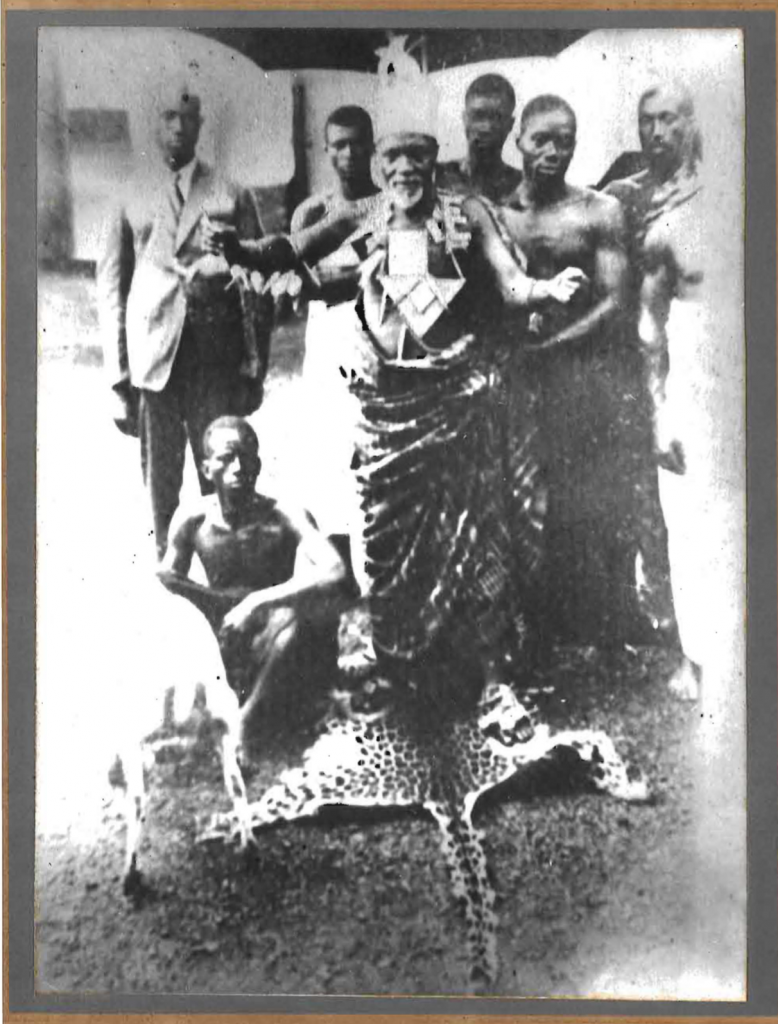
During this period at Ahenfi (The Palace), he displayed unique and sterling qualities of a statesman. In 1895, he was selected Asonkohene (heir-apparent) to the Ofori Kuma stool. When his uncle Nana Kwame Fori died, on 29th November 1895, on his way back from Accra, Kwasi Akuffo automatically succeeded him as the 15th Occupant of the Ofori Kuma Stool of Akuapem under the stool name NANA KWASI AKUFFO at the age of 32.
Immediately on ascension to the stool, Nana KwasiAkuffo decided to prepare for the final funeral celebration “Ayikese extra ordinary” of his late uncle. This, he successfully did in May, 1896. This was unprecedented because, he was the first to organise “Ayikese”( a grand funeral celebration for a chief who dies on a seat) for an Omanhene in Akuapem.
He was nicknamed the “IRON BAR” by the Akuapems because of the way he had fortified himself with knowledge, wives, children and family and was not moved by whatever people would say about him but always stood on his ground.
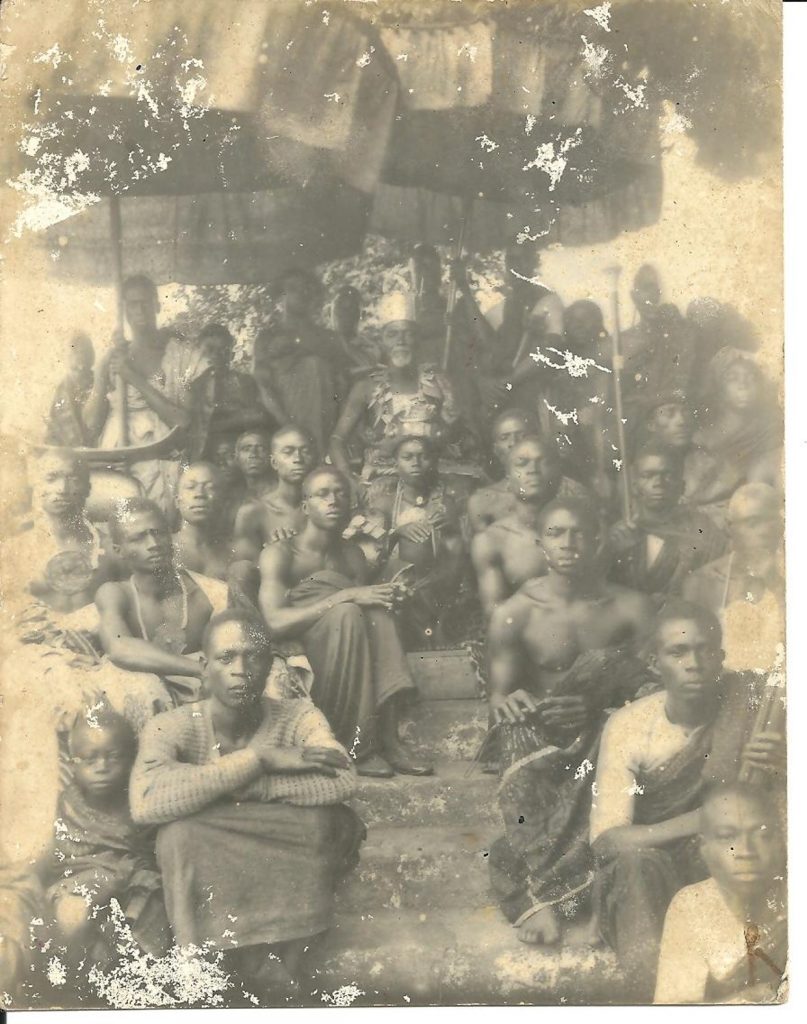
In October, 1896, His Excellency The Governor F.M Hodgson, paid an official visit to Akuapem and at the Durbar of chiefs held at ‘’Mpeniase’’ (foreground of the Okuapehene palace and the last settlement for the people of Akropong). His Excellency said among other things, about cocoa, advising the state to spare no pain in cultivating it as it would bring huge wealth into the state of Akuapem.
King Kwasi Akuffo, replying to His Excellency’s address, requested that a Railway be constructed from Accra to Akuapem. His Excellency was astonished that the king should have asked this in his reply whilst admiring his wisdom, adding “Akuffo, you are far advanced and I doubt if your people will understand you”.
According to Brokensha, Nana Akuffo was de-stooled in 1907 when he blended politics with chieftaincy and to others he was far more advanced than his people so they didn’t understand his modern way of branding chieftaincy with Politics. He was succeeded by his direct cousin Nana Owusu Ansah. Nana Kwasi Akuffo was exiled from the Akuapem land but he temporarily settled at Atabui near Tinkong in the Eastern Region. The local policemen who accompanied him to Atabui were Private Teinu Wangara, Musa Basafari, Gurusi Musa and Hima Basafari.
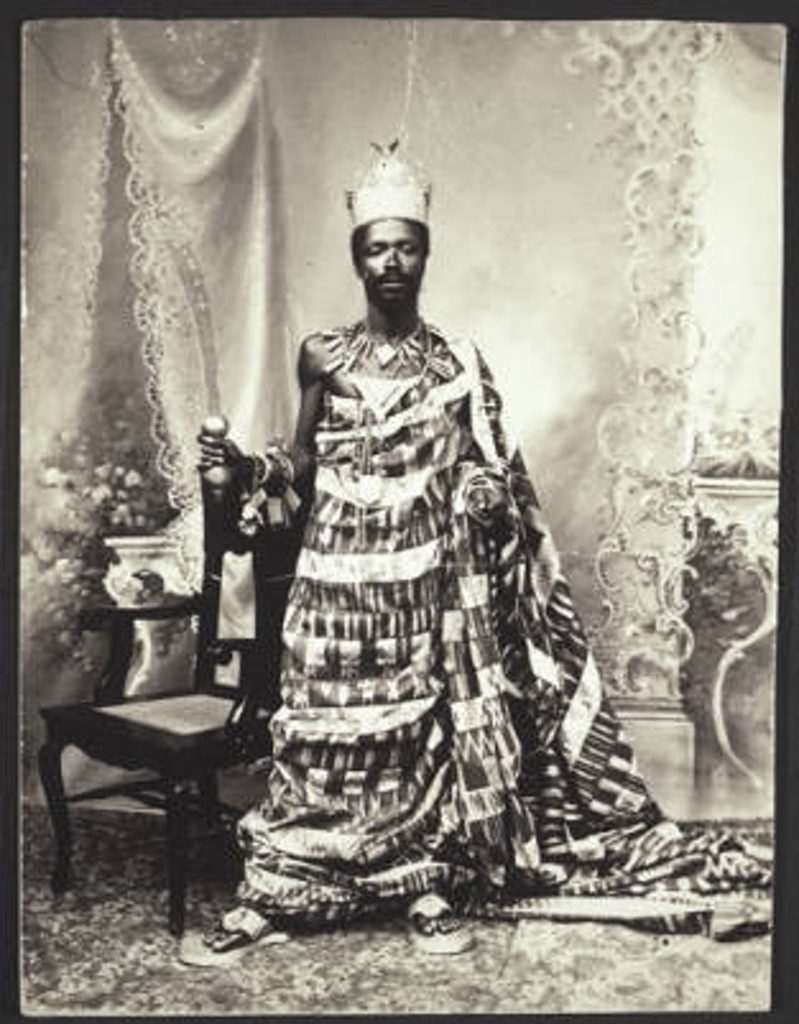
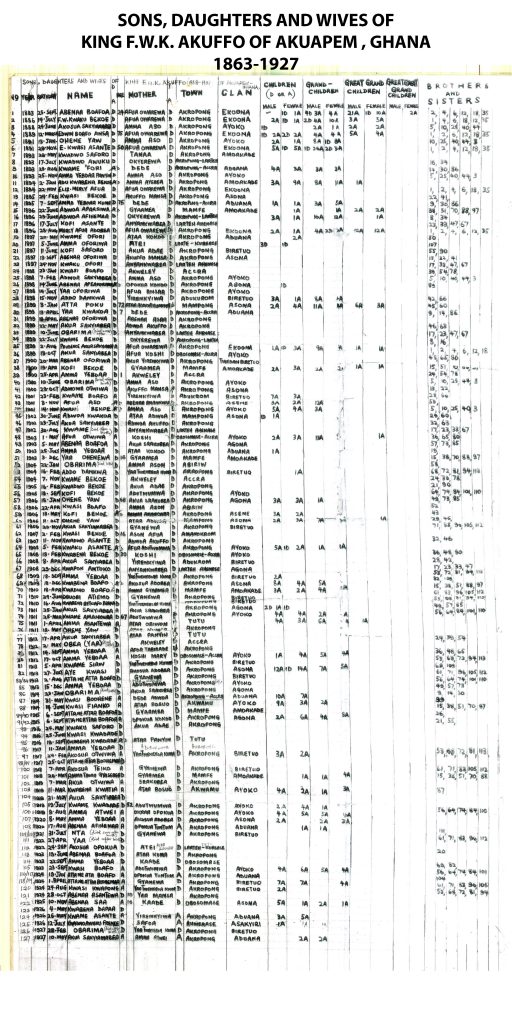
He went with some of his children, wives and many of his loved ones including his first grandson. There he celebrated ‘’Adae’’as if he was still a king. He taught his children Custom and Tradition, Latin, Arithmetic, English, Greek, Scripture, Twi, and built a Chapel and a School at Atabui
He was forced to leave Atabui and so finally settled at Sansemi on the Accra-Nsawam road, since that action of his contravened the traditions of a destooled chief of Akuapem. The place (Sansemi) was given to him by his distant relatives from Akyem Abuakwa led by the chief Nana Kwaa Dua I (i.e. The Adubra Asona family of Aburi). He named the place Akuffokrom (Bogyabi Ye Dom) meaning he was stabbed at the back by his own relatives or his destoolment was influenced by his own relatives.
He made good use of otherwise dull period by establishing a school for his hundreds of followers (his servants, sympathisers, adherents and hangers-on) where they taught many subjects including Constitutional Law, Good Manners, Drumming, Dancing and Singing.
In the year 1919 he was reinstated when the Akuapems were looking for somebody who could listen to them and manage their disgruntled state for them. The Akuapems had to send a powerful delegation to the Sakyiabea Royal Family at Sansami to bring back Nana Kwasi Akuffo. Upon lengthy deliberation the leading Family members accepted the offer in good faith. On their return to Akropong the entourage got to Aburi on the 19th of October 1919 where a durbar of chiefs was waiting for his arrival.
He passed the night with the Adubra family and had series of meetings with them before continuing to Akropong the following day. His followers marched all the way from ‘Bogya Bi Ye Dom’ (or Akuffo Krom) to Akropong-Akuapem, and fought at almost every town and village on the way till they came to their destination.
Finally having reached Akropong, even though he was re-instated as Paramount chief Nana Kwasi Akuffo had but one more difficult task to overcome. The British government recognition of him as Paramount chief until in 1922 after a three-year legal battle at the High Court in Accra he won the case. Nana Akuffo then fully went to occupy his house again with his wives, children and some family members.